

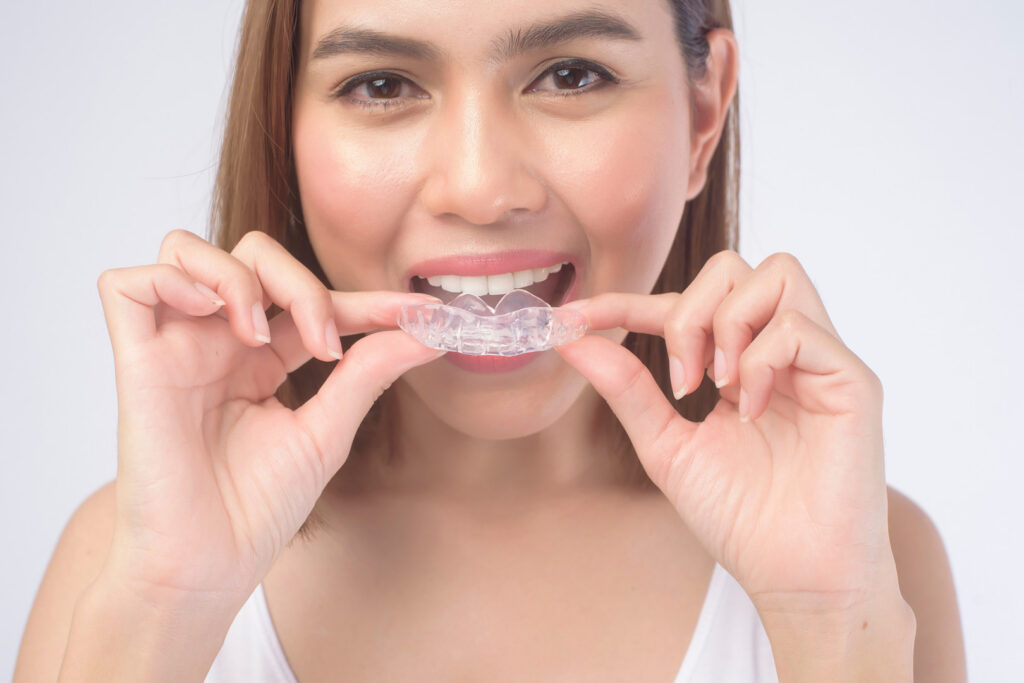

Patients often ask about mouth guards because of:
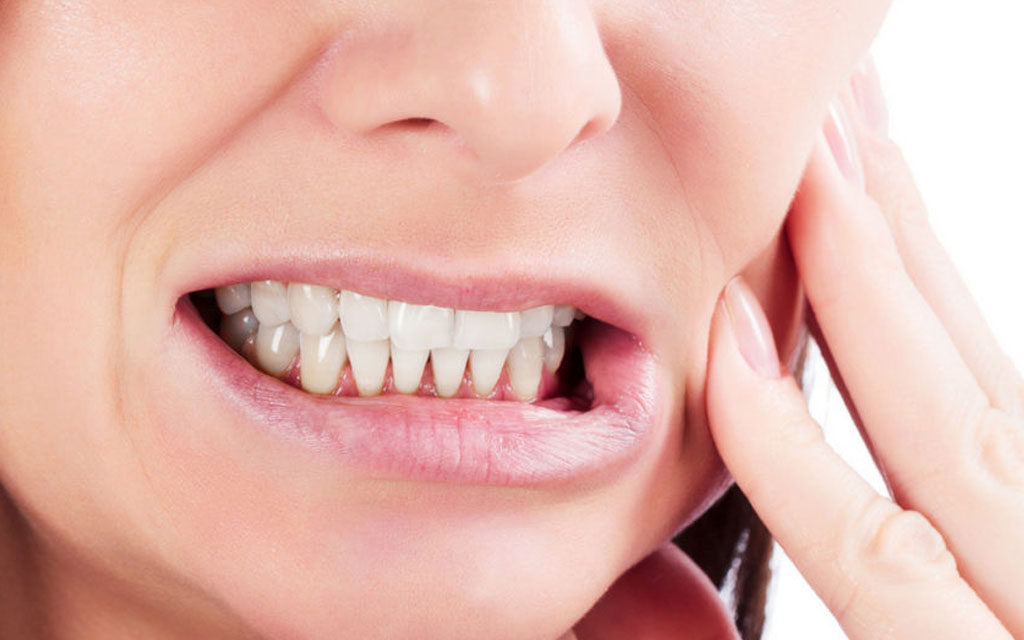
Grinding and clenching can happen during the day or while you sleep. Over time, that pressure can wear down enamel, strain the jaw, chip teeth, or place stress on existing dental work.
A mouth guard creates a protective layer between the teeth. While it does not stop every cause of grinding or clenching, it can help reduce direct tooth-to-tooth pressure and protect your smile from ongoing wear.
If you wake up with jaw soreness, headaches, tightness, or sensitive teeth, Dr. Riggio can look for signs of grinding and talk with you about whether a mouth guard may be helpful.
Dental injuries can happen during sports, fitness activities, or other situations where impact is possible. A mouth guard can help protect the teeth, lips, cheeks, and dental work from injury.
If you or your child plays sports or participates in an activity where tooth injury is a concern, our team can discuss mouth guard options and help you understand what type of protection may be appropriate.
Mouth guards can be especially helpful for patients who have invested in their smiles. Crowns, veneers, bonding, bridges, and other dental work can benefit from added protection if grinding, clenching, or impact is a concern.
Dr. Riggio’s advanced training in cosmetic dentistry, dental implants, and complex restorative care helps him evaluate mouth guards with the full smile in mind. The goal is to help protect your teeth, support your dental work, and reduce the risk of avoidable wear or damage.
For patients without dental insurance, Sunset Tower Family Dentistry offers the Sunset Advantage Membership, an in-house membership option designed to support preventive care and provide savings on additional treatment.
Patient Stories
Trustindex verifies that the original source of the review is Google.
Love the staff and I love the new couchPosted on Google
 scott gusman1 days agoExcellent care. Been a patient many, many years. Great care. Dr. Riggio seems to be continuing the same level of care as Dr. Degnan delivered. Happy with his work.Posted on Google
 William Becker11 days agoLove the staff, Dr Vince couldn’t be nicer and a real professionalPosted on Google
 Mike Kramer12 days agoExcellent dental service!Posted on Google
 Christina Mertz12 days agoEfficiency is tops, the staff is pleasant, professional and explain all procedures. I had a minor emergency. I was able to get in immediately and had the issue taken care of. So appreciate the immediate response.Posted on Google
 Patti Stenger15 days agoStaff and Dr. Riggio are THE BEST!!! From the front office to the assistant’s and hygienists are all truly remarkable!!!! ☺️Posted on Google
 Susan Masters15 days agoAwesome experience great people great customer service in great warm hospitalityPosted on Google
 Kenneth Connor16 days agoThe hygienist I had was very polite and very thorough with her exam and cleaning. She had a good sense of humor and maintained conversation during the cleaning process which kept my mind off of what was being done. Then dentist, Dr Degman, came in next to double check things and was very pleasant as always. Overall, a very good experience.Posted on Google
 Michael Wieter18 days agoSunset is the best!!!Posted on Google
 charles and barbara ladd20 days agoVery pleasant office and employees. Dentist and teeth cleaning were professional and friendly! My teeth feel great😀!Posted on Google
 Marianne Trask20 days agoThe hygienist did an excellent job of cleaning my teeth. Dr. Riggio has just taken over the practice and is friendly and seems very competent.Posted on Google
 Karen Murawski22 days agoDr. Riggio is great and I would consider him the best dentist I’ve seen. Staff were very nice and informative and answered all of my questions. Will definitely be making this my new dentist!Posted on Google
 Reid Fawcett32 days agoI was really impressed with Ricki my hygienist, Dr. Riggio and the entire office staff. I've been searching for a new dentist and I am happy to report I found a keeper. Check them out!!!Posted on Google
 Rick Karr35 days agoGreat work is done here. Professional and kind.Posted on Google
 Jerome Nowak36 days agoGreat people, helpful and friendlyPosted on Google
 Anna Harris-White39 days agoLove Dr. Riggio’s team! Always very nice, personable, and professional!Posted on Google
 Sue Hagin40 days agoI have been going to Sunset Tower Dental for many years My husband and adult children go there And now my grandchildren are starting too also. They are very friendly, caring and honest, From Dr Degnen to the billing staff I would not think of going anywhere else, I highly recommend them Linda Krassinger+1Posted on Google
 Linda Krassinger42 days agoExcellent dental office!Posted on Google
 Renee Strong42 days agoWonderful caring staff and doctor. The atmosphere is calm and serenePosted on Google
 Shirley Stevens50 days agoI been going to the same dentist since forever! It’s like going home to friends each visit plus I get excellent care!!!Posted on Google
 Patricia Sellenriek53 days agoAlways friendlyPosted on Google
 Matthew T54 days agoWhat a wonderful experience! The staff treat you like family while maintaining a high professional standard. I was recommended Dr.Degnen by my husband. Some close friends referred the Doctor to him. These friends found Dr.Degnen through a referral from another friend and the list goes on. She is that good! If you are looking for a dentist that does not work for a corporate group, lacks in communication and industrialization, make an appointment with Dr. Degnen and her staff. Remember, your smile is what you wear every day. Make it a good one. Mary F DevinePosted on Google
 Mary F Devine62 days agoAmazing experience! Staff was super friendly and beyond welcoming. Dr Riggio is extremely knowledgeable and well experienced in his craft. Went in for a cleaning recently; my experience with the hygienist was pain free and surprisingly pleasant. I will definitely be bringing my wife and 5 year old here. Highly recommend!Posted on Google
 Nick Young62 days agoThis place is absolutely stellar. I have gone to the same dentist for 40 years. They retired and I was need for a new place. If I could give them more than five stars I would. Update... I was so excited to finally find a GOOD dentist. Unfortunately, the practice was sold, HOWEVER, they still retained the AMAZING staff!! And the new Dentist fits the bill. Even though there was a change of hands, I know Im still in good hands.Posted on Google
 Cassie DeClue76 days agoDr.Riggio is great! Wonderful conversation, positive and welcoming atmosphere. The 40 minute commute for me is worth it for such quality care!!Posted on Google
 Hannah Freshman77 days agoThis office is always upbeat and happy to see everyone. They are great!Posted on Google
 Sandy Massey81 days agosimply the bestPosted on Google
 anna eberhardt82 days agoAmazingly kind people. Excellent professional care. Many thanks to Dr. Degnen, and Dr. Riggio and staff for all they have done for me.Posted on Google
 Mary Schmidt83 days agoDoctor Vince used advanced ultrasonic cleaning equipment which made my cleaning more comfortable and thorough than what I had experienced at other offices. He took time to shape and smooth my teeth! Exceptional dental care with a modern, high quality approach, highly recommend! He fixed a filling I thought was done fine in February. Turns out it wasn’t and now everything in my mouth is lining up better and it’s just made a huge difference.Posted on Google
 Jacqueline Jagow88 days agoAlways right on time and thorough cleaning and exam. The team is upbeat and always professional. This was my first time meeting Dr. Riggio and I look forward to his guidance for my future healthy dental care.Posted on Google
 Barb Shannon92 days agoExcellent staff. Excellent work. Topnotch!Posted on Google
 Alvin Riney96 days agoI am always happy with friendliness and work they doPosted on Google
 Terri Horn96 days agoGreat care. All my kids report positive experiences. Everyone is very kind, gentle and gives attention to detail.Posted on Google
 Dawn McFarland97 days agoI had tooth pain for months and made several trips to my previous dentist without getting a real answer. Dr. Riggio was able to take a 3D scan in-house, which not many dentists can do, and quickly figured out the issue wasn’t a cracked tooth like I’d assumed. He fixed it, and it was such a relief to finally be pain-free after dealing with it for so long. Great experience overall.Posted on Google
 Spencer104 days agoDr Rio and his staff is awesome. The office is always extreme clean and very friendly love going there for my dentistry needs.Posted on Google
 Tonne Wunderlich105 days agoWas a patient but got on Medicare and was not happy. Needed a problem taken care of and they took care of me . And for that I’m grateful. I plan on using their services in the future and highly recommend them . Thanks again!Posted on Google
 Ken Rapp105 days agoAlways amazing! The new dentist is great!Posted on Google
 Samantha Miles118 days ago
Trustindex verifies that the original source of the review is Google.
Great, friendly team, been going there for at least 15years.Posted on Google Patrick Campbell125 days agoI’ve been a patient here for years but this was my first official visit with Dr. Riggio. I had a large filling come out and they got me in that morning and prepped me for a crown. They are extremely nice, professional and accommodating. The new dentist did not disappoint.Posted on Google
 Cindy Schaper125 days agoKnowledgeable friendly staff. Painless procedures. They always work with your schedule. They play good music while you wait. Best dentist and assistants ever! Always a good visit. The new girl was very thorough and nice.Posted on Google
 James Cronk126 days agoI’m happy to highly recommend Sunset Tower Dentistry, Dr Degnen and her staff for taking good care of me and my family for many seasons of this life’s journey. Atmosphere is comfortable and courteous and helpful with reminders and wonderful care. Thanks to all the caring team.Posted on Google
 Judy Ritter127 days agoAlways kind and thorough with teeth cleaning and anything that is needed for my teeth and gums. I have been going to them for over 25 years.Posted on Google
 Karen Grimm131 days agoWonderful staff, always friendly and efficient!Posted on Google
 Kimberly Grandstaff131 days agoThorough care and wonderful customer service!Posted on Google
 Lisa Duffin131 days agoThe folks at Sunset Towers Family Dentistry are the best in the business. We’ve been going as a family for over 25 years. They are professional, fastidious and gentle. They are personable and it feels like family. We will never change.Posted on Google
 Michael Leopold134 days agoIt was as always. Never have problemsPosted on Google
 diane Berkel138 days agoEveryone that I've met there are very friendly and knowledgeable. They make sure your visit is not stressful.Posted on Google
 connie riney138 days agoEveryone is so friendly and helpful. Fairly quick, and they do a great job on cleaning your teeth.Posted on Google
 Ann Manzonelli139 days agoVery friendly knowledgeable and informative. Dr. Riggio took the time to come up and explain the plan in detail too me and educate me on the next step 10/10Posted on Google
 Tyler Burke140 days agoDr. Riggio and team are wonderful! This was my first visit to their office and everything from scheduling to pre appointment prep to starting the cleaning was friendly and efficient. The hygienist was gentle cleaning my teeth and Dr Riggio was thorough in his exam and offered much needed teeth aligners and other dental work. He was not pushing to sell extras, just offering solutions to dental concerns have. I highly recommend Dr Riggio and team!Posted on Google
 Amy Bath147 days agoVery nice staff. Very clean place. Amazing Dentist.Posted on Google
 Dominic Riggio152 days agoThe staff is very professional and helpful. Dr. Riggio was patient in explaining treatment options and very knowledgeable. I feel like I am in good hands at Sunset Tower Family Dentistry.Posted on Google
 Wendy Rohrbach159 days agoOutstanding experience!Posted on Google
 Joel Goebel159 days agoNo one like going to a dentist….. but they were very courteous and explained to me, in language I could understand, what teeth needed to be worked on. See you for my check up!Posted on Google
 Mark Langston159 days agoMy dental treatment with Sunset Tower Family Dentistry was great. The dental staff including Dr. Riggio were thorough, personable and professional. Dr. Riggio identified needed dental treatment and prioritized a least invasive alternative. This was my first appointment with Dr. Riggio and it’s great to experience continued exceptional dental care as that was previously provided by Dr. Degnen.Posted on Google
 Devona B. J-D161 days agoExcellent as always. Susie is great and very professional. The new doctor is personable, friendly and professional.Posted on Google
 Eugene Sanders162 days agoHe is soo sweetPosted on Google
 Debbie Brinley162 days agoFriendly, caring, no pain. Love them all!!Posted on Google
 Cathy Sansom167 days agoNot a 5 due to being taken late for my appointment. Otherwise the staff is wonderful, especially the dental hygienist who worked on me (she has white hair) she is one of the best I have ever had there.Posted on Google
 Laura Sanders175 days agoI walked in not in the best mood from a text. Who would think you can walk into the dentist in a bad mood and come out refreshed. The hygienist (Terri) was very experienced, explained everything, had a positive attitude, did a good job, and I walked out with a set of clean teeth and happy. Her advice was better than most dentists.Posted on Google
 Stephen Winkelhoch175 days agoVery friendly and professional staff. Have been a patient for over 30years. Excellent care.Posted on Google
 jan ritter182 days agoFantastic people! Very professional!Posted on Google
 Barry Guiot183 days agoWe have gone to this practice for many years. They are respectful, kind, professional and are there when you need them.Posted on Google
 Mary Jane Pieber189 days agoI have been a patient of Sunset Tower Family Dentistry for many years and have received exceptional care from the staff. They are always friendly, always efficient, always professional.Posted on Google
 Rob Mihalevich190 days agoMy family has been patients for over 30 years! Just like the show "Cheers" it is special to go somewhere that everyone knows and cares about you.Posted on Google
 Jill Magoc195 days agoGreat Place!Posted on Google
 Kevin Loddeke196 days agoStaff was friendly and explained what was going on. Dr. Riggio was careful to ensure my scan was perfect so my crown would be perfect.Posted on Google
 Theresa197 days agoDr Riggio was very nice and thorough. He explained everything he was doing or needed to be done. His assistant Bre did a great job as well.Posted on Google
 Penny200 days agoI highly recommend them to take care of your teeth. . So professional and talented. I had an implant done with no pain when it was performed and no pain later . The staff is great and Dr Riggio is the best dentist I have ever been toPosted on Google
 Anthony Riggio202 days agoGreat staff and service!!Posted on Google
 Kevin Kraft204 days agoAlways great dental hygiene professionals. Saw Dr Riggio for the first time. Nice man. Very professional. Thank Dr Degnen for the years of faithful service. Enjoy your retirement..Posted on Google
 Rick Brandenburg204 days agoI have always had a great experience at Sunset Tower Dentistry. Everyone is so friendly. And Dr. Degnan does great work. They are willing to answer questions and give good advice when asked.Posted on Google
 Louise Richards222 days agoSusan at the front desk is the nicest!Posted on Google
 Kathryn Schilling229 days agoSunset Tower Dental is the best. Love the staff, and Dr. Degnen makes everything as comfortable as possible. I’ve been going there for many years and they feel like family.Posted on Google
 Carmen R230 days agoI have been going to this dental practice for probably 25 years.I can't say enough positive things about Dr.Suzanne Degnen and her staff! They are professional ,friendly and very skilled at what they do.Posted on Google
 Sherry Robertson234 days agoThey have been my dentist since 2009 and I don’t plan on changing any time soon. I truly don’t think it gets any better than them.Posted on Google
 Jesse Cronk243 days agoThis place is great. Super nice staff!Posted on Google
 Sal Cira244 days agoThis is THE BEST dentist office you’ll ever find. They treat you with such care and kindness, and create real relationships with their patients, which is so hard to find these days. I cannot say enough good things about everyone at Dr. Degnen’s office. Highly recommend !!!Posted on Google
 Christina Putney244 days agoI have been seeing Dr. Degnan for 38 of the 39 years she has been there. I hate to see her go. Any replacement is going to be a disappointment.Posted on Google
 Joe DeLucia246 days agoSunset Tower provides an excellent dentistry experience. Would highly recommend them. My wife goes there too and loves the entire staff!Posted on Google
 Randall Boyer246 days agoThey always do a great job!Posted on Google
 Michael Werk265 days agoThis group is always so welcomingPosted on Google
 Beth Bloomer271 days agoPositive, helpful interaction with office staff, dental hygienist and the dentist herself made my first visit very successful.Posted on Google
 Linda Woodward275 days agoToday I went for my regular dental cleaning and as always everything went well. Dr. De gen and all her staff is phenomenal. Thank you!Posted on Google
 PILAR ROM278 days agoI have been coming to this office for many years now. Everyone is always friendly and cheerful. I have never had a bad experince. My special needs daughter comes here also and they are wonderful with her. When we are going out the door she always says. "Dr Suzie is such a nice person". This goes for all the office staff. Thank youPosted on Google
 Sandra Massey278 days agoAlways pleasant & has never been uncomfortable or painful. I've gone to Sunset Tower Dental for many years.Posted on Google
 Linda Bowles279 days agoI love to go to the dentist! (Who says that?!)The best dentist on the planet! When I visit I feel like I am entering a friend's home: everyone is friendly, the decor is inviting, and Dr. Degnan is amazing. I can't recommend them enough!Posted on Google
 Suzanne Rainey286 days agoI have been a customer at Sunset Tower Dental for decades, they are so friendly that you feel like family. Always a professional and comfortable experience.Posted on Google
 Gary Kneezle288 days agoHighly recommendPosted on Google
 Wendy Wu313 days agoGoing to the dentist is certainly not one of those activities I look forward to, consequently my teeth were not in the best of shape. I (my whole family) started going to Sunset Tower Family Dentistry a few years ago and have been completely happy with the service I receive there, from routine check ups to fixing significant dental problems that are the result of my past neglect.Posted on Google
 Jike329 days agoAlways friendly staff and punctual with your appointment.Posted on Google
 Tamara Joplin330 days agoVery caring practice!Posted on Google
 Joan Miller335 days agoThe staff is friendly, the office is clean, and my appointments start right on time. Dr. Degnan is very personable, she takes her time with you and makes you feel comfortable. Highly recommend!Posted on Google
 LaChina McCoy335 days agoFriendly, professional, and thorough.Posted on Google
 Jim Chickering336 days agoI’ve been going to Sunset Tower Dentistry for over 20 years and I highly recommend them!Posted on Google
 Gloria Park341 days agoDr. Degnan was able to fix a chipped tooth the same day as my cleaningPosted on Google
 Ruth Hearold348 days agoGreat care, friendly office. The best in St.Louis .Responsive . I fly in from another state to comePosted on Google
 Dr. Kim McCallum364 days agoWouldn’t go anywhere else! They are a great teamPosted on Google
 Margo Hathaway376 days agoGood service. Friendly staff. Feel comfortable there. Have been going several years and would not think of changing.Posted on Google
 Robert Holle383 days agoThey helped Carter not feel scaredPosted on Google
 Kim Boxdorfer383 days ago
